Iran Nuclear Standoff: Oil Markets Eye Trump's Next Move
The global energy landscape is once again gripped by geopolitical tensions, with the looming specter of a renewed Iran nuclear standoff dominating headlines. At the heart of this uncertainty are the potent pronouncements from former U.S. President Donald Trump, whose past rhetoric and potential future policies continue to send ripples through international markets. Specifically, the oil sector remains highly sensitive to any perceived escalation, keenly watching for signs of concrete action that could drastically alter global supply dynamics.
In past instances, even the mere threats from Washington towards Tehran have been enough to stir the commodities market. We’ve seen the North Sea benchmark Brent crude and the U.S. West Texas Intermediate (WTI) varieties appreciate by as much as one percent, reaching figures like $74.01 and $69.44 per barrel respectively, in response to such saber-rattling. These immediate spikes underscore the inherent volatility when a major oil producer like Iran is at the center of geopolitical friction. However, as astute market observers like Warren Patterson, a strategist at ING, have noted, there's often an element of "investor fatigue" regarding a flurry of announcements. The market tends to seek tangible actions rather than mere rhetoric before committing to a significant, sustained markt reaktion iran.
The Geopolitical Chessboard: Trump's Stance on Iran's Nuclear Program
Donald Trump's approach to Iran's nuclear program has historically been characterized by a firm, often confrontational, stance. His administration notably withdrew from the Joint Comprehensive Plan of Action (JCPOA), commonly known as the Iran nuclear deal, in 2018, citing its inadequacies and subsequently reimposing stringent sanctions on Tehran. This move drastically curtailed Iran's ability to export oil, significantly impacting global supply and contributing to price volatility at the time.
Fast forward to today, and the possibility of Trump's return to power raises questions about the future of this complex relationship. His past threats, which have included punitive tariffs and even the suggestion of more forceful measures, against the Iranian government if it fails to negotiate on its nuclear ambitions, loom large. Such a strategy signals a potential return to maximum pressure, aiming to compel Iran into a more restrictive agreement. The implication for oil markets is profound: should these threats materialize into actual policies, such as aggressive secondary sanctions targeting buyers of Iranian oil, it could effectively remove a substantial volume of crude from an already tightly balanced global market. This potential disruption is what keeps traders and analysts on edge, anticipating the potential for an acute markt reaktion iran that could send prices soaring.
Oil Market Dynamics: Why Geopolitical Tensions Fuel Price Swings
The oil market is inherently sensitive to geopolitical shocks, particularly when they involve major producing nations situated in strategic regions. Iran, a founding member of OPEC, possesses vast oil and gas reserves and its ability to export is critical for global supply stability. Any disruption to Iranian exports, whether through direct conflict or stringent sanctions, immediately tightens the market.
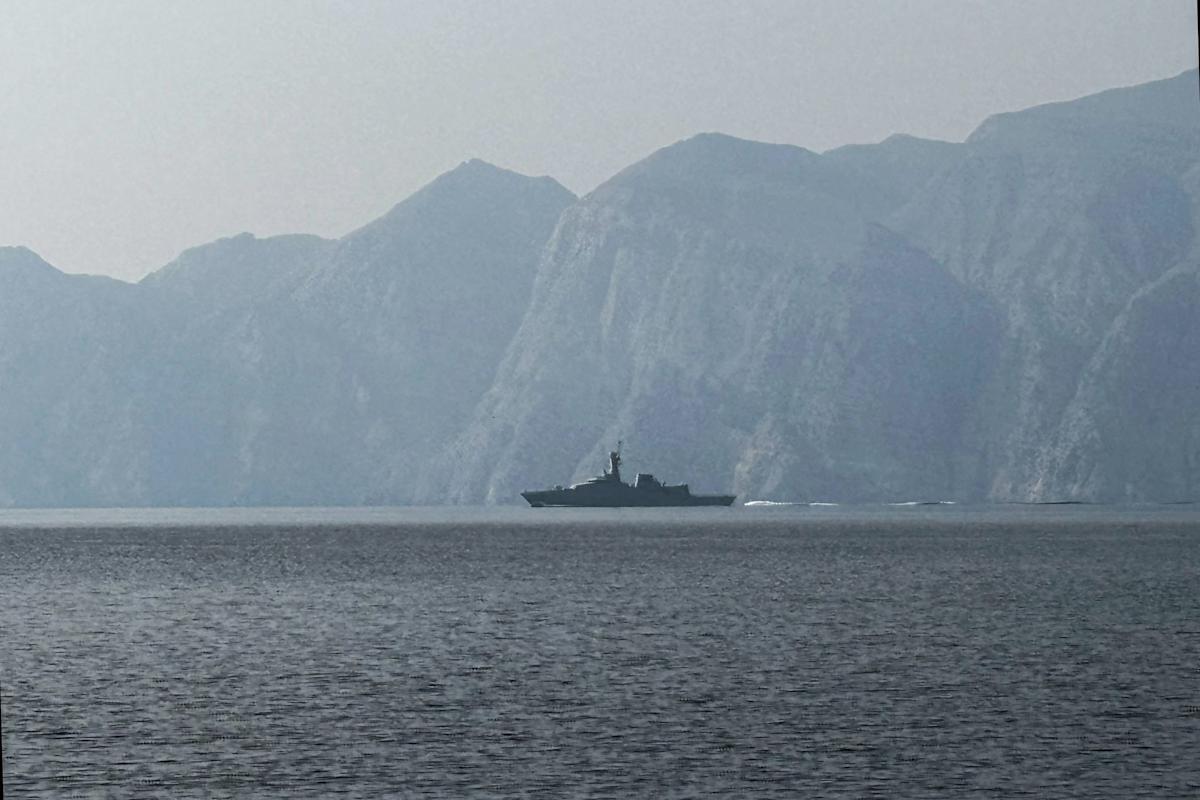
When threats of "bombing" or "punitive tariffs" are floated, even if they remain hypothetical, they introduce a "geopolitical risk premium" into oil prices. This premium reflects the market's assessment of the likelihood and potential impact of supply disruptions. Traders factor in the increased risk of conflict, shipping disruptions (especially in critical chokepoints like the Strait of Hormuz, through which a significant portion of the world's seaborne oil passes), and reduced export volumes. This sensitivity explains why, even with initial "fatigue," oil prices quickly reflect even a one-percent increase as mentioned, moving Brent to $74.01 and WTI to $69.44 per barrel, on the back of such news. These movements are not just speculative; they are a real-time reflection of the supply-side vulnerability of the global energy system.
Navigating Uncertainty: Key Indicators for Market Participants
For investors, businesses, and policymakers, understanding the indicators that shape oil market responses to geopolitical tensions is crucial. Here are some factors to monitor closely:
- Official Statements vs. Action: Differentiate between political rhetoric and concrete policy implementation. Markets react more strongly to executive orders, congressional actions, or confirmed military movements than to speeches or tweets.
- Diplomatic Engagements: Watch for any multilateral talks, UN Security Council activity, or direct diplomatic channels between Washington and Tehran. A diplomatic breakthrough could de-escalate tensions, while a breakdown could signal escalation.
- Oil Inventories and Production Levels: Keep an eye on global oil inventories (e.g., EIA reports in the US) and OPEC+ production decisions. High inventories or increased production from other sources could cushion the impact of Iranian supply disruptions.
- Shipping and Insurance Costs: An increase in shipping insurance premiums or rerouting of tankers in the Persian Gulf region would indicate heightened risk perceptions.
- Currency Movements: The US dollar's strength often correlates inversely with commodity prices. A stronger dollar can partially offset the upward pressure on oil prices, though geopolitical factors often override this.
- Analysis of Sanctions: If new sanctions are implemented, analyze their scope, enforceability, and the specific impact on Iran's crude exports and its ability to access international banking systems.
Beyond Oil: Broader Implications of US-Iran Tensions
While the immediate focus of a renewed Iran nuclear standoff is often on oil prices, the broader implications of escalating US-Iran tensions extend far beyond the energy sector. A deepening crisis could destabilize the entire Middle East, a region already grappling with numerous conflicts and humanitarian challenges. This could have ripple effects on global trade routes, maritime security, and international diplomatic relations.
Moreover, the reaction of other global powers—such as China, India, and European Union nations, which are significant importers of oil—will be crucial. Their willingness to comply with or circumvent potential US sanctions will largely determine the effectiveness of any "maximum pressure" campaign and, consequently, the severity of the supply shock. The interplay between these major players, coupled with the domestic political considerations within both the US and Iran, creates a highly complex and unpredictable environment. The long-term economic consequences, including potential inflationary pressures from higher energy costs, could also impact global economic growth and recovery efforts.
The Iran nuclear standoff, exacerbated by the specter of Trump's foreign policy approach, remains a critical determinant for oil market stability. While initial threats may cause immediate price tremors, the market's ultimate, sustained markt reaktion iran hinges on the shift from rhetoric to concrete action. Investors and market participants must remain vigilant, analyzing not just the headlines but the deeper geopolitical currents, economic indicators, and diplomatic maneuvers that shape the future of global energy supply. The balancing act between political pressure and potential market disruption is delicate, ensuring that the world's oil markets will continue to eye Washington and Tehran with bated breath.